
 Image 1 of 3
 Image 2 of 3
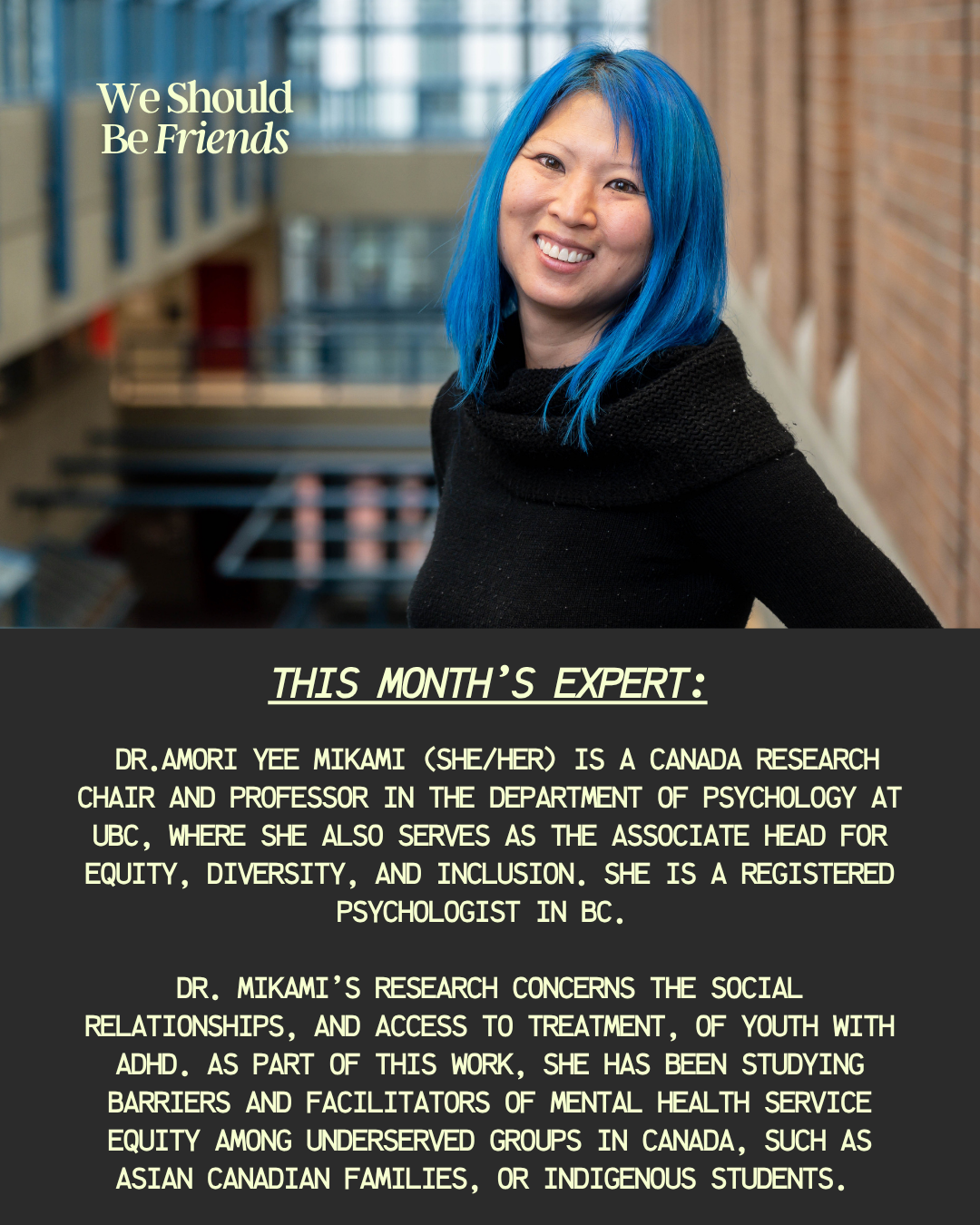 Image 3 of 3
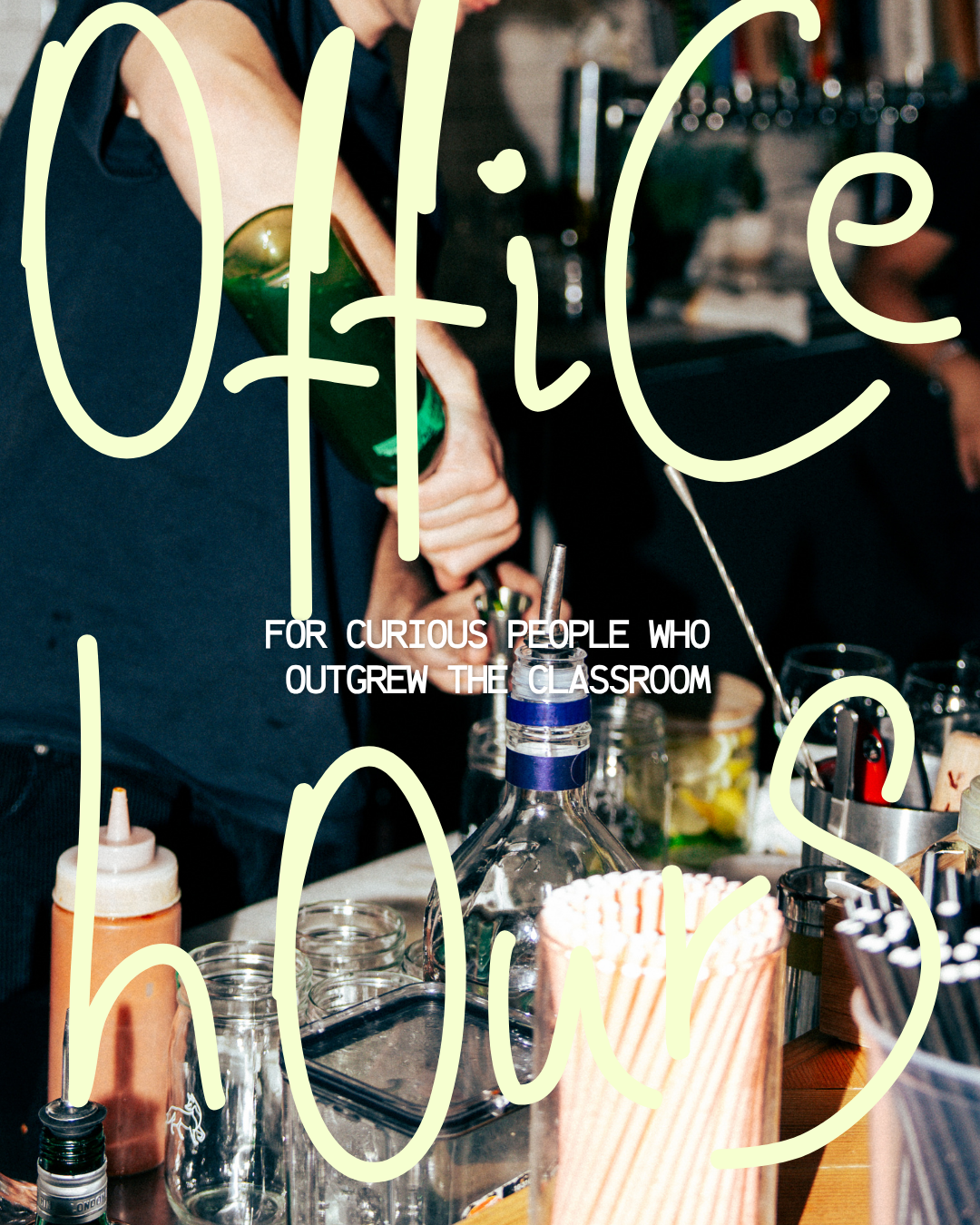
Class is in session — and so is happy hour.
THIS MONTH’S TOPIC:
TikTok Told Me I Have ADHD
Content about ADHD is very popular online and has helped many understand themselves better. In this lecture, we’ll explore how to navigate the noise, critically evaluate mental health information online, and identify content that is genuinely helpful and evidence-informed.
THIS MONTH’S EXPERT:
Dr. Amori Yee Mikami (she/her) is a Canada Research Chair and Professor in the Department of Psychology at University of British Columbia, Vancouver, where she also serves as the Associate Head for Equity, Diversity, and Inclusion. She is a registered psychologist in BC.
Dr. Mikami’s research concerns the social relationships, and access to treatment, of youth with attention-deficit/hyperactivity disorder (ADHD). As part of this work, she has been studying barriers and facilitators of mental health service equity among underserved groups in Canada, such as Asian Canadian families, or Indigenous students.
EVENT DETAILS:
When: Wednesday, October 21st
Time: 6-9pm (ARRIVE BETWEEN 6-6:30)
Where: The Pleasant, 2434 Main St.
Class is in session — and so is happy hour.
THIS MONTH’S TOPIC:
TikTok Told Me I Have ADHD
Content about ADHD is very popular online and has helped many understand themselves better. In this lecture, we’ll explore how to navigate the noise, critically evaluate mental health information online, and identify content that is genuinely helpful and evidence-informed.
THIS MONTH’S EXPERT:
Dr. Amori Yee Mikami (she/her) is a Canada Research Chair and Professor in the Department of Psychology at University of British Columbia, Vancouver, where she also serves as the Associate Head for Equity, Diversity, and Inclusion. She is a registered psychologist in BC.
Dr. Mikami’s research concerns the social relationships, and access to treatment, of youth with attention-deficit/hyperactivity disorder (ADHD). As part of this work, she has been studying barriers and facilitators of mental health service equity among underserved groups in Canada, such as Asian Canadian families, or Indigenous students.
EVENT DETAILS:
When: Wednesday, October 21st
Time: 6-9pm (ARRIVE BETWEEN 6-6:30)
Where: The Pleasant, 2434 Main St.